Avoid hidden rubbish removal charges in Barnet
Posted on 11/10/2026

Avoid hidden rubbish removal charges in Barnet: a practical guide to clear pricing
If you've ever booked a rubbish clearance and then spotted extra fees on the invoice, you'll know how irritating it feels. The job seemed simple enough, the quote sounded fine, and then suddenly there's a charge for access, labour, loading time, or some mysterious "administration" line. This guide explains how to avoid hidden rubbish removal charges in Barnet, what to ask before you book, and how to compare quotes without getting caught out. It's written for real people dealing with loft clearances, garden waste, bulky items, builders' debris, or a one-off tidy-up. No fluff. Just the things that actually save money.
In Barnet, where properties can vary from tight terraced access to larger family homes and mixed-use spaces, pricing can be straightforward or surprisingly messy. The good news? A little know-how goes a long way. And yes, you can stay polite and still be very firm about what should, and should not, be included.
Below, you'll find a clear breakdown of how rubbish removal pricing should work, the warning signs of extra charges, a step-by-step approach to getting a fair quote, and a practical checklist you can use before anyone turns up with a van.
Why Avoid hidden rubbish removal charges in Barnet Matters
Hidden charges are more than just annoying. They can turn a manageable clear-out into a budget headache, especially when you're already dealing with stress, time pressure, or a property move. In many cases, the first quote only covers the "best case" version of the job. Then the real-world details appear: the sofa is heavier than expected, the skip access is awkward, or the team says they need extra time because the waste is mixed. That is where things start to creep.
For Barnet residents, this matters for a few practical reasons. Homes here can have narrow driveways, basement access, parking restrictions, shared entrances, or bins already at capacity. A provider that has not asked enough questions up front may use those details later to justify add-ons. And let's face it, nobody enjoys arguing about a bill while standing next to a pile of old cupboards.
Clear pricing matters because it helps you:
- compare providers on a like-for-like basis
- plan your move, renovation, or declutter properly
- avoid surprise charges after the collection
- choose the right service for the type of waste you have
- feel confident that the job will actually be finished for the quoted price
There's also a trust angle. A company that is open about what affects pricing is usually easier to work with from the start. You'll notice that the conversation feels more grounded. Less sales patter, more actual detail. That's a good sign.
How Avoid hidden rubbish removal charges in Barnet Works
At a basic level, rubbish removal pricing should be based on the amount, type, and handling complexity of the waste. Simple domestic items like a few bags and a broken chair are usually priced differently from a full garage clearance or heavy builders' waste. The problem begins when pricing is not explained clearly.
A transparent provider should ideally ask questions such as:
- What type of waste do you have?
- How much space does it take up?
- Is it easy to access?
- Are there stairs, long carries, or parking restrictions?
- Do you need same-day collection or a scheduled booking?
Those questions are not just paperwork. They help the company estimate labour, vehicle space, disposal costs, and timing. If a quote is given without any discussion of those points, be careful. You may be looking at a teaser price rather than a proper one.
In practice, hidden charges often appear in a few common places:
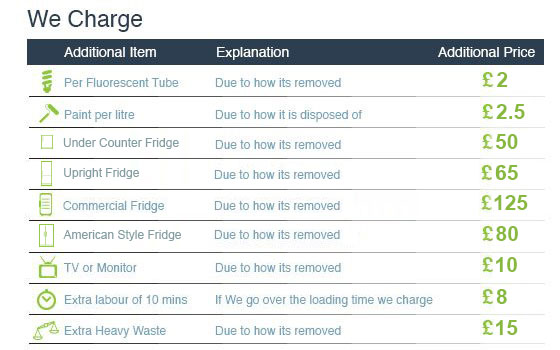
- Access fees: extra cost for stairs, long carries, no parking, or difficult loading
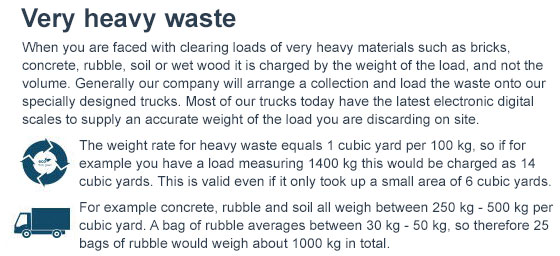
- Weight or volume surprises: the actual waste is larger or heavier than described
- Special waste handling: mattresses, fridges, plasterboard, electricals, or mixed materials
- Waiting time: if the crew has to stand around because access is delayed
- Minimum load charges: a price floor that was not made obvious
To be fair, not every extra charge is unfair. If the job changes, the price can change too. The key issue is disclosure. You want the provider to tell you, before booking, what circumstances would increase the price and by how much.
If you are comparing options across different services, it can help to look at the provider's wider approach to pricing and job handling, not just one quote. Pages such as pricing and quotes and services overview can give you a sense of what the company says it covers and how it structures work.
Key Benefits and Practical Advantages
The biggest benefit of avoiding hidden charges is obvious: you pay what you expected to pay. But there's a lot more to it than that.
Better budgeting
Whether you're clearing a single room or handling a bigger job before a move, a clear quote helps you plan. No awkward surprises. No scrambling for extra funds after the van has already left.
Less stress on the day
When the price is agreed properly, the collection itself tends to run more smoothly. You are not standing in the doorway wondering whether the driver will suddenly mention a "loading supplement." That peace of mind is worth something, honestly.
Fairer comparisons
Some quotes look cheaper only because they leave out the difficult bits. Once you compare true like-for-like pricing, the better-value option often becomes obvious.
Better job matching
If the provider understands the waste type and access conditions, they can send the right team and vehicle. That usually means faster collection and fewer misunderstandings.
Fewer disputes
Most disagreements happen because one side assumed something that the other side never promised. Clear terms reduce that risk.
Practical takeaway: a transparent rubbish removal quote is not just about saving money today. It helps the whole job feel calmer, cleaner, and more predictable. And in a busy place like Barnet, predictability is underrated.
Who This Is For and When It Makes Sense
This approach is useful for almost anyone booking waste removal, but it is especially relevant if you are:
- moving house and clearing unwanted items quickly
- emptying a loft, shed, garage, or storage space
- dealing with post-renovation debris
- sorting a garden full of branches, soil, or broken outdoor furniture
- helping a relative downsize or clear a property
- running a small office or shop and need discreet, tidy removal
- comparing rubbish removal with skip hire
It also makes sense when access is tricky. Barnet has plenty of properties where parking is not exactly generous, and a quote can change if the crew must carry items a long way or navigate stairs. If you already know the access is awkward, say so. It saves everyone time.
One small but useful point: if your waste includes bulky furniture, white goods, mixed materials, or building debris, your provider needs to know early. A "few bags" and "a van full of bathroom tiles" are not the same job. Obvious, yes. But this is where hidden costs often begin.
Step-by-Step Guidance
If you want to avoid surprise charges, use a simple process before booking. Nothing fancy. Just a steady, sensible approach.
- List everything you want removed. Be specific. Include bulky items, bags, broken furniture, garden waste, and anything awkward.
- Take clear photos. Wide shots and close-ups both help. A picture of the pile in daylight is much more useful than a vague description over the phone.
- Explain access details. Mention stairs, parking, rear access, long driveways, locked gates, or narrow hallways.
- Ask what the quote includes. Labour, loading, disposal, VAT if applicable, and any special handling should be spelled out.
- Ask what would increase the price. This is the big one. Get the likely extras explained in plain English.
- Confirm the disposal approach. Waste should be removed and handled properly, not just dumped somewhere questionable. A proper clearance service should be able to explain its process.
- Get it in writing. Even a short written confirmation is better than relying on memory.
- Check the booking details again before collection. A quick message can prevent a muddle on the day.
One practical example: imagine you've got a wardrobe, a mattress, a pile of old fencing, and several bags of mixed household clutter. If you describe that as "general rubbish," the quote may be too vague to rely on. If you itemise it, the provider can price more accurately. Simple, but effective.
Also, if you are considering wider clearance work, services like house clearance, garage clearance, or loft clearance can come with different pricing logic from a small one-off collection. It pays to match the service to the job, not the other way round.
Expert Tips for Better Results
These are the small things that tend to separate a smooth job from a frustrating one.
Be precise about mixed waste
Mixed loads can cost more than single-stream waste because sorting and disposal are more complicated. If your pile contains wood, plasterboard, metal, general junk, or electrical items, say so. It is better to be slightly over-specific than to get caught out later.
Ask for all charges to be named
Not "possible extras." Not "depending on circumstances." Ask for actual examples. What counts as an extra? How much is it? Under what condition?
Check whether labour is included
Some quotes look competitive because the lifting time is not fully included. If the team must carry items down several flights of stairs, that matters.
Watch for vague wording
Words like "subject to inspection" are not always a problem, but they should not be used as a blank cheque. A fair company will still explain the likely range before arrival.
Use photos from the actual collection area
Pictures taken in the room, garden, or driveway where the waste sits are far more useful than close-up item shots. The context matters.
Ask how the service handles unusual items
If you have fridges, mattresses, paint tins, or heavy DIY waste, mention it early. These items often need different handling. No drama, just honesty.
A small real-world observation: the best quotes usually come after a few good questions, not before them. If a provider seems annoyed by detail, that may tell you more than the price does.
Common Mistakes to Avoid
Most hidden charge problems can be traced back to one of a few classic mistakes. You do not need to make them.
- Booking too fast: agreeing to the first quote without checking what it includes
- Underselling the job: describing a large load as "a few bits" to sound smaller or cheaper
- Forgetting access issues: not mentioning parking, stairs, or restricted entrances
- Not asking about disposal categories: assuming everything is priced the same
- Ignoring written confirmation: relying on a quick phone chat and nothing else
- Comparing only the headline price: missing the details that actually change the final bill
One particularly common trap is the "it'll probably be fine" approach. Truth be told, that can be expensive. If you know there is anything awkward about the job, say it. Better a slightly higher quote that is honest than a cheap one that grows teeth later.
Tools, Resources and Recommendations
You do not need specialist software or anything dramatic. A few simple tools can make pricing conversations much easier.
- Your phone camera: take clear photos of the waste and the access route
- A basic note list: write down item types, quantities, and any heavy pieces
- A measuring tape: useful for bulky items, especially furniture or appliances
- A short access checklist: parking, stairs, lift access, doorway width, gate codes, and collection times
- A comparison sheet: even a simple note on your phone helps you compare quotes properly
If you want to understand how a provider thinks about value, payment security, and service expectations, it can also help to review pages such as payment and security, insurance and safety, and about us. Those pages are not just box-ticking. They often tell you whether a company is organised enough to handle jobs properly.
If sustainability matters to you, and it should matter at least a bit, you may also want to look at recycling and sustainability. A provider that explains what happens to collected waste usually feels more credible than one that says very little.

Law, Compliance, Standards, or Best Practice
When rubbish removal is involved, compliance matters. You do not need to become a waste expert, but you should expect professional handling. In the UK, waste should be collected and disposed of responsibly, and any company dealing with it should be able to explain its process in plain language. If a provider cannot do that, treat it as a warning sign.
Best practice usually includes:
- clear upfront pricing
- honest description of what is included
- safe handling of heavy or awkward items
- proper disposal routes for the waste type
- transparent communication about changes to scope
If a job includes hazardous, specialist, or restricted waste, the rules can become more specific. That is one area where guessing is a bad idea. Ask questions. If the answer is vague, step back.
For ordinary household or commercial rubbish clearance, the main thing is still straightforward: the service should be honest about what it can collect, what it cannot collect, and what might affect the final price. Sounds basic, but it is where a lot of providers trip up.
Options, Methods, or Comparison Table
If you are deciding how to clear waste in Barnet, it helps to compare the most common options side by side. Each has its place, and the cheapest-looking choice is not always the best once hidden costs are included.
| Option | Best for | Typical pricing style | Watch-outs |
|---|---|---|---|
| Man and van rubbish removal | Flexible, mixed household or business clear-outs | Usually based on volume, labour, and access | Hidden labour or access charges if details are not confirmed |
| Skip hire | Longer jobs with predictable waste generation | Usually fixed hire period plus permit considerations | Parking space, permit needs, and self-loading effort |
| Specialist clearance service | Large properties, hoarded spaces, or complex loads | Often quote-based after assessment | Scope changes if the job is larger than first described |
| Single-item collection | One or two bulky items | Per item or minimum call-out | Minimum fees can make multiple items more cost-effective |
This table is useful because it shows a simple truth: the "best" option depends on the job. If you have a small pile of furniture and bags, a man-and-van style service may be more practical. If you are stripping out a room over several days, skip hire may suit better. The trick is to compare all likely extras, not just the headline figure.
And yes, sometimes the right choice is the one that saves you two headaches, not just two pounds.
Case Study or Real-World Example
Here's a realistic example from a typical Barnet-style clearance job. A homeowner was clearing a spare room after years of storing old boxes, a broken desk, a mattress, and a couple of heavy drawers. The first rough quote looked attractive. But when the provider asked more questions, it turned out the property had no easy front access, parking was limited, and the drawers were too bulky to move quickly without extra labour.
Instead of agreeing immediately, the homeowner sent photos of the room, the hallway, and the street outside. That changed the conversation fast. The revised quote was slightly higher, but it included the access difficulty, the furniture handling, and the full collection. No surprises later. No awkward debate at the door. Just a clear job with a clear cost.
The lesson is simple: the earlier you share the details, the fewer opportunities there are for hidden charges to sneak in. It is a small bit of admin that can save a proper nuisance later on.
Practical Checklist
Use this before you confirm any rubbish removal booking in Barnet.
- Have I listed every item to be removed?
- Have I taken clear photos of the waste and access route?
- Have I mentioned stairs, parking, gates, or long carry distances?
- Do I understand exactly what the quote includes?
- Have I asked what could change the price?
- Do I know whether labour, disposal, and loading are included?
- Have I checked whether any items need special handling?
- Have I asked for the quote in writing?
- Have I compared at least two options properly?
- Does the service explain its safety, payment, and waste-handling approach clearly?
Quick summary: if a provider gives you clear answers, you are on firmer ground. If they dodge basic questions, keep looking. That's usually the simplest test there is.
Conclusion
Avoiding hidden rubbish removal charges in Barnet is mostly about clarity, honesty, and asking the right questions before collection day. Once you know what affects pricing, you can compare quotes with confidence, choose the right service for the job, and keep control of the budget. That is especially useful when you are already dealing with a move, renovation, garden clear-out, or busy family schedule.
There is no need to overcomplicate it. Take photos, describe the waste properly, mention access issues, and get the important parts confirmed in writing. Do that, and you massively reduce the chance of awkward extra charges appearing at the end. Simple really. Well, simple-ish.
If you are planning a clearance and want a straightforward quote, start with the details you already know and ask the questions that matter before anything is booked.
Get a free quote today and see how much you can save.


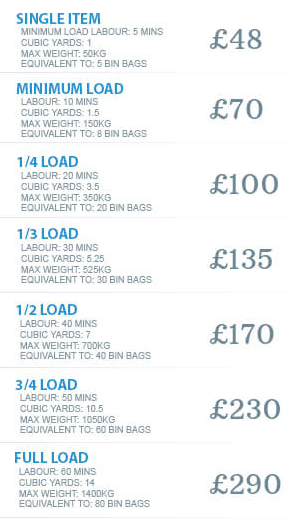
 Tipper Van - Rubbish Removal and Waste Clearance Prices in Barnet, EN5
 Luton Van -