New Barnet garden rubbish removal and recycling tips
Posted on 10/08/2026
If your garden in New Barnet has turned into a seasonal holding area for branches, hedge cuttings, broken planters, old turf, and the odd rusted bit of trellis, you are definitely not alone. Garden clear-outs have a way of snowballing. One minute you are trimming a few shrubs on a Saturday morning, the next you are staring at a heap that looks strangely bigger than the garden itself. That is where New Barnet garden rubbish removal and recycling tips come in: practical guidance for clearing waste efficiently, sorting what can be reused or recycled, and avoiding the usual mistakes that make a simple job far more annoying than it needs to be.
This guide is designed for real life. Not the tidy, ideal version. The muddy, slightly damp, "where did all this come from?" version. You will find a step-by-step approach, a few local-minded pointers, and the kind of recycling habits that save time without cutting corners. If you want to understand when to handle garden waste yourself and when to bring in a professional service, you are in the right place.

Why New Barnet garden rubbish removal and recycling tips Matters
Garden waste is one of those jobs that looks small until it is sitting in bags, piles, buckets, and wheelbarrows all over the patio. In New Barnet, where many homes have compact gardens, shared access, or limited storage, the way you remove and sort garden rubbish can make a big difference to safety, tidiness, and cost. It also matters because garden waste is often more recyclable than people realise.
Some of it can be composted. Some can be chipped or mulched. Some can be reused in the garden. And some really should be separated from the green waste because it changes how the whole load is handled. A bit of thought at the start usually means less mess later. Simple enough, but worth saying.
There is also the practical side. Leftover soil, heavy branches, and wet clippings can become slippery, smelly, and surprisingly difficult to move. If you are working in a narrow side passage or carrying bags across a drive, the wrong setup can turn a straightforward tidy-up into a clumsy afternoon. Nobody needs that.
If you are also clearing other household items while doing the garden, it can make sense to look at broader support such as rubbish clearance in Barnet or general waste removal services. That is especially useful when the job spills beyond leaves and cuttings into mixed garden junk.
How New Barnet garden rubbish removal and recycling tips Works
At a practical level, garden rubbish removal works best when you split the job into clear stages: sort, separate, move, and decide what happens next. That sounds obvious, but the difference between an easy collection and a stressful one usually comes down to organisation.
Most garden waste falls into a few familiar groups:
- Green waste such as grass cuttings, hedge trimmings, leaves, weeds, and plant matter.
- Woody waste such as branches, twigs, stems, and prunings.
- Soil and turf, which are heavier and often handled separately.
- Mixed garden debris such as plant pots, broken fencing, old canes, plastic packaging, or cracked ornaments.
Once you know what you have, you can decide whether it is suitable for composting, garden reuse, recycling, or removal. A good service will generally look at the load type and how much labour is needed to lift it, carry it, and load it safely. If you want a deeper look at how a responsible provider approaches recovery and disposal, the page on recycling and sustainability is a sensible place to start.
For many households, the simplest setup is to gather waste into manageable piles, separate recyclable green waste from mixed rubbish, and then arrange a collection once everything is ready. If access is awkward, or the garden contains a lot of heavy material, a team that handles garden waste removal in Barnet may be the easier route. The truth is, time matters. So does your back.
Key Benefits and Practical Advantages
Good garden rubbish removal is not just about getting rid of things. It improves the feel of the whole property. You notice it when the patio is clear, when the lawn edges are visible again, when you can actually hear birds instead of the scratchy drag of old bags across paving. Small win, but a real one.
Cleaner, safer outdoor space
Loose branches, sharp offcuts, and forgotten garden tools can become trip hazards quickly. Clearing waste properly makes the area safer for children, pets, and anyone using the garden after dark or in wet weather. In New Barnet, where many gardens get regular use in warmer months, that safety factor is easy to overlook until someone catches a foot on an old slab.
Better recycling outcomes
When green waste is kept separate from plastics, treated wood, and soil, more of it can be diverted into the right recycling stream. That matters because mixing everything together reduces the chance of useful material being recovered. A little sorting pays off. Quite a lot, actually.
Less time spent loading and reloading
If you sort waste before collection, the removal team can work faster. If you are managing the job yourself, it means fewer trips, less confusion, and no awkward moment where you discover the heaviest bag is at the bottom of the pile. Been there, done that, regretted it.
Better results when preparing a property
Garden tidying often goes hand in hand with wider property preparation. People clearing a home for sale sometimes use services like house clearance in Barnet or, in some cases, read practical advice such as selling real estate in Barnet to understand how presentation affects value and first impressions. A tidy garden can do more for a viewing than people expect.
Who This Is For and When It Makes Sense
This topic is useful for a lot of different people, not just keen gardeners. In New Barnet, the typical scenarios are fairly predictable, and if one of these sounds familiar, you are probably the right audience.
- Homeowners doing seasonal tidy-ups after pruning, mowing, or clearing out beds.
- Landlords and letting agents who need a garden reset between tenancies.
- Home sellers trying to make outdoor space look cared for.
- Older residents or busy families who do not want repeated trips to dispose of waste.
- People with large shrubs, tree cuttings, or soil piles that are too much for household bins.
- Anyone with mixed garden junk such as broken pots, faded decking bits, or old plant supports.
It makes sense to use professional help when the waste is heavy, the access is tricky, or the job has grown beyond a quick sweep-up. If you are uncertain what falls into green waste and what should be handled separately, a provider that covers junk removal in Barnet can often deal with the mixed stuff without you having to split hairs over every single item.
And sometimes, to be fair, the real issue is energy. You know you could do it yourself. You just do not want to spend your Saturday afternoon wrestling soggy branches when there are better things to do.
Step-by-Step Guidance
If you want a simple process that works, use this. It is not glamorous, but it gets the job done.
- Walk the garden first. Look at everything that needs removing before you start lifting. Identify green waste, woody waste, soil, plastic, metal, and any items that should not be mixed.
- Separate recyclables from rubbish. Keep branches, leaves, hedge cuttings, and plant matter apart from pots, treated wood, string, broken tools, and soil if possible.
- Cut oversized material down. Long branches and thick stems take up more space than they need to. Smaller pieces are easier to stack, bag, and carry.
- Use sturdy sacks or tubs. Thin bags split at the worst possible time. Usually right when you think you are nearly finished.
- Keep heavy loads manageable. Soil and wet turf are deceptively weighty. Do not overfill bags, especially if you have to carry them through a narrow path or down steps.
- Set aside reusable items. Clean plant pots, decent timber, and intact edging materials may still have a second life.
- Book the right removal option. If the pile is substantial, arrange collection or a suitable waste solution rather than making endless trips yourself.
- Finish with a final sweep. Small shards, twine, and loose clippings are easy to miss. A quick tidy at the end makes the space feel properly done.
If you are weighing up collection methods, it may help to compare a dedicated garden service with skip hire in Barnet. One is often better for mixed bulky waste, the other can suit longer DIY projects where you want on-site storage. The right choice depends on the space you have and how quickly you want the mess gone.
Expert Tips for Better Results
A few small habits can make a surprisingly big difference. These are the kinds of things people only learn after doing the job once or twice and thinking, "Right, not doing that again."
Keep green waste dry if you can
Wet grass and leaves become heavier, smellier, and harder to compact. If rain is due later, gather the waste earlier in the day or cover it lightly until removal. A dry load is easier on everyone.
Use a separate area for sharp items
Broken terracotta, snapped canes, wire ties, and old metal edging should not sit loose among soft green waste. Put them in one labelled container or box so nothing gets missed. It is a small thing, but it helps with safety.
Think in layers, not piles
Branches at the bottom, soft cuttings in the middle, light debris on top. That arrangement keeps the load more stable and often uses space better. If you are loading by hand, stability matters more than you might think.
Leave a clear path for collection
In narrow New Barnet side returns or front access areas, a clear route saves time and reduces the chance of scuffed walls or knocked pots. You do not want the final carry-out to become the messy bit.
Combine jobs when it makes sense
If your garden clear-out overlaps with a garage sweep, shed tidy, or general rubbish job, it can be more efficient to tackle it all together. That is where broader services like garage clearance or rubbish collection in Barnet may help. One visit, one plan, less faffing about.
Also, a little honesty here: no one ever thinks they have enough bags until they absolutely do not. Buy or set aside more than you think you need.

Common Mistakes to Avoid
Most garden waste problems are avoidable. The same few mistakes come up again and again, and they are usually easy to fix once you know what to look for.
- Mixing everything together. Green waste mixed with plastic, metal, and soil is harder to process and may reduce what can be recycled.
- Overfilling bags. Heavy bags split, tear, or become impossible to lift safely.
- Ignoring access issues. If the route from garden to vehicle is tight, plan for it before you start.
- Leaving waste out in the open for too long. Wet organic waste can smell, attract pests, or spread across the garden in the wind.
- Forgetting about hidden waste. Old string, plant labels, broken clips, and tiny plastic pots often get left behind.
- Assuming every service is the same. Some providers handle green waste well; others are better for mixed rubbish or bulky outdoor clearances.
There is also a compliance mistake people make: putting treated timber or unknown materials into a green pile because it "looks natural enough." It may look harmless, but it can change how the load needs to be treated. If in doubt, keep it separate and ask before collection.
Tools, Resources and Recommendations
You do not need a warehouse of equipment to handle garden rubbish properly. A few sensible tools are enough for most homes:
- Heavy-duty garden sacks for cuttings, weeds, and light debris.
- Tarpaulin sheets for dragging waste across paving or keeping piles contained.
- Gloves with decent grip to protect against thorns, splinters, and damp waste.
- Loppers or secateurs for reducing bulky branches into manageable lengths.
- A rake and broom for the final sweep-up.
- Wheelbarrow or tub for moving heavier loads safely.
For residents who want a more structured service approach, the services overview is useful for understanding the wider range of waste and clearance solutions available. If you need to compare cost or timing before booking, the pricing and quotes page is a sensible next stop.
Trust matters too. If a job involves carrying waste through a home, shared hallway, or tight access, it is worth checking the provider's safety approach. The insurance and safety information is there for exactly that kind of reassurance. Not exciting, admittedly, but very useful.
Law, Compliance, Standards, or Best Practice
Garden waste disposal in the UK is not something you want to treat casually. You do not need to become a compliance expert, but a few basic principles are worth following.
Duty of care is the key idea here. In plain English, it means waste should be handed to someone who can deal with it properly, and you should avoid passing it on in a way that creates a problem elsewhere. If you are using a collection service, it is sensible to understand how they handle waste streams and recycling. That is one reason a clear page about recycling and sustainability helps set expectations.
Best practice also means separating obvious recyclables, avoiding contamination, and keeping dangerous or unusual items out of standard garden loads. For example, paints, chemicals, gas canisters, asbestos, and similar hazardous materials are not garden waste. If you come across something suspicious in an old shed or border area, stop and get advice rather than guessing.
A responsible approach is usually the safest approach. Simple, but true.
If you are interested in how the business treats responsibility more broadly, the site's about us and modern slavery statement pages help show the wider values behind the service. That kind of transparency matters. More than people think, really.
Options, Methods, or Comparison Table
There are a few practical ways to deal with garden rubbish in New Barnet. The best one depends on the volume, the material, and how much time you want to spend on it.
| Method | Best for | Pros | Watch-outs |
|---|---|---|---|
| DIY composting | Leaves, soft cuttings, light organic matter | Low cost, good for the garden, reduces waste | Not suitable for bulky or woody waste; needs space and patience |
| Garden bin or bagged removal | Small to moderate seasonal tidy-ups | Simple, tidy, easy to manage | Heavy loads can be awkward; not ideal for large clearances |
| Skip hire | Large projects, ongoing landscaping, mixed waste | Plenty of capacity, useful for bulky jobs | Needs space and planning; sorting may still be needed |
| Man-and-van removal | Fast clear-outs, awkward access, mixed garden rubbish | Convenient, labour included, usually quick | Best to sort beforehand for better recycling outcomes |
For many people, the most efficient choice is a labour-included collection that handles lifting and loading. If your garden waste is tangled with old items from a shed or garage, pairing the job with junk removal can save a lot of back-and-forth.
Case Study or Real-World Example
Picture a typical New Barnet Saturday: a front garden has gone from "a bit overgrown" to a tidy-up project after a few dry weeks. There are hedge trimmings, a small pile of branches, old hanging basket liners, cracked pots, and some soil from a border refresh. Nothing extreme. Just enough to be annoying.
The homeowner starts by separating soft green waste from the broken pots and plastic liners. The branches are cut into shorter lengths. Soil is left in smaller containers rather than tipped into random bags, because that would have been a mistake waiting to happen. The path to the front gate is cleared first, so carrying the waste out does not involve stepping over tools and plant stakes.
By the time collection day comes, the load is orderly. The green waste is easy to identify, the mixed rubbish is contained, and there is no frantic last-minute sorting. The garden looks calmer almost immediately. Not polished, not magazine-perfect. Just properly cared for. And that's usually enough.
That same approach also works for households thinking beyond the garden. If the tidy-up expands into a wider property reset, it can sit neatly alongside Barnet living insights from residents and other local planning ideas that help people make better decisions about home improvements and everyday living.
Practical Checklist
Use this checklist before you book or start lifting anything. It saves a lot of head-scratching later.
- Have I separated green waste from mixed rubbish?
- Have I cut down large branches and bulky stems?
- Are any bags too heavy to lift safely?
- Have I removed sharps, wire, glass, or broken pottery?
- Do I know what should be composted, recycled, or removed?
- Is the access route clear from garden to collection point?
- Do I need help with soil, turf, or heavy debris?
- Would skip hire, collection, or garden waste removal be the better fit?
- Have I checked whether other clearances should be bundled in?
- Have I set aside a little extra time for a final sweep?
If you have ticked most of those boxes, you are already ahead of the game.
Get a free quote today and see how much you can save.
If you are ready to turn a cluttered garden into usable space again, it is worth speaking with a team that understands local access, recycling priorities, and the realities of busy homes. A short conversation can save a whole afternoon. Sometimes more.
Conclusion
Garden rubbish removal in New Barnet works best when you keep it simple: sort carefully, protect the recyclable material, avoid overloading bags, and choose the right disposal method for the size of the job. That approach keeps costs under control, improves recycling outcomes, and makes the whole process feel far less chaotic.
If you remember nothing else, remember this: separate early, lift safely, and do not underestimate how much waste one tidy border can produce. It is almost rude how fast it adds up.
Handled well, a garden clear-out is not just a disposal job. It is a reset. A fresh start for the space, and a surprisingly satisfying one at that.


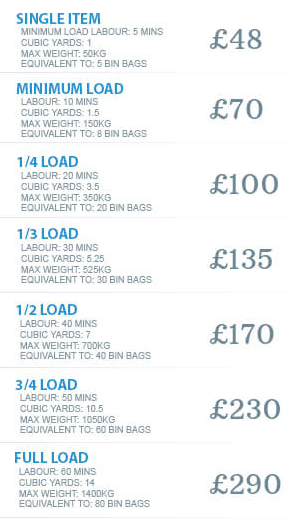
 Tipper Van - Rubbish Removal and Waste Clearance Prices in Barnet, EN5
 Luton Van -